



By using our website, you agree to the use of cookies as described in our Cookie Policy
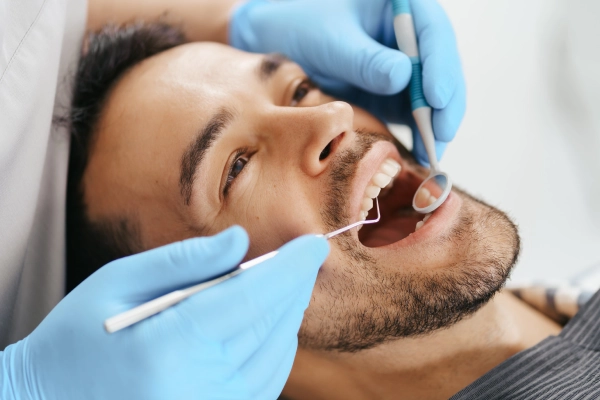
Missing teeth change more than your smile. Chewing shifts, speech patterns slip, and nearby teeth start to wander. A dental bridge closes that space with a stable, natural-looking replacement anchored to the teeth on either side. The result restores bite strength and keeps your mouth working the way it should for patients throughout Nashville.
Every mouth tells a different story, so the right bridge depends on the gap’s location, how many teeth are missing, and what’s left to support the work. Some bridges use crowns on healthy teeth, others attach to implants, and a few rely on a bonded wing for minimal prep. Picking the right approach shapes how the bridge feels, how long it lasts, and how well it blends in.
Matching the Bridge to Your Needs
Choosing a bridge isn’t about picking from a menu. The right fit comes from understanding your bite, bone structure, and what you want to restore. For a single missing molar, a traditional bridge anchored by crowns often makes sense. When only one tooth stands next to the gap, a cantilever bridge steps in. Maryland bridges, with their bonded wings, work best for front teeth where appearance matters most. Implant-supported bridges fill larger spaces or step up when neighboring teeth can’t handle the load.
- Traditional Bridges: Crowns on both sides anchor the bridge, offering strength when healthy teeth are available.
- Cantilever Bridges: Used when only one adjacent tooth can support the bridge, often in less demanding spots.
- Maryland Bridges: Bonded to the backs of nearby teeth, these preserve more natural structure and suit visible areas.
- Implant-Supported Bridges: Anchored to implants, these handle bigger gaps or weak neighboring teeth.
We walk through each option, considering what fits your mouth and your goals before any work begins.
What to Expect During Bridge Work
When it’s time to start, the process unfolds in steps. First comes a thorough exam. We check the health of anchor teeth and gums. If repairs are needed, those come first. Once the foundation is solid, anchor teeth are reshaped to fit the crowns that will hold the bridge. Impressions follow, capturing every detail for a custom fit. A temporary bridge covers the gap while the permanent one is crafted, so you’re never left with an empty space.
On the final visit, the temporary comes out. The new bridge is checked for comfort and alignment, with adjustments made as needed. Once everything lines up, the bridge is cemented in place. Most people finish in two or three visits, walking out with a restoration that feels like their own teeth. Our team has provided this process for countless Nashville residents seeking a reliable solution.
Keeping Your Bridge Strong
With the bridge in place, daily care matters. Brushing twice a day and cleaning under the bridge with a floss threader or water flosser keeps food from building up. Regular cleanings catch small issues before they grow. Chewing ice or hard candy puts any bridge at risk, so it’s best to skip those habits. For those who grind their teeth at night, a nightguard protects both the bridge and natural teeth from extra wear.
Clients who stick to this routine rarely face trouble. The bridge becomes part of daily life, holding up year after year without constant attention or worry.
Comparing Bridges, Implants, and Dentures
When replacing missing teeth, the choice often comes down to bridges, implants, or dentures. Each has a place, and the right pick depends on what you want out of the result.
- Dentures: Removable and less costly upfront, but they move around and don’t match the chewing power of a fixed bridge.
- Dental Implants: Permanent and stable, though they require surgery and a longer healing period.
- Bridges: Fixed in place, ready in weeks, and don’t call for surgery if natural teeth can anchor them.
Implants suit those looking for a long-term fix and willing to wait. Dentures fit when affordability and flexibility matter most. Bridges offer a stable, quick solution that restores function and appearance without a drawn-out process. We help you consider these choices, focusing on what fits your needs and expectations in the Nashville area.
What Sets Our Bridge Work Apart
Restoring a missing tooth isn’t just about filling a space. It’s about bringing back balance, protecting the rest of your teeth, and making sure you can eat and speak comfortably. We take time to explain every step, answer questions, and customize the bridge to your mouth—not just the textbook version. The result is a restoration that blends in, feels right, and stands up to daily use. Whether you’re missing one tooth or several, we handle the details so you can move forward without second-guessing the fit or function. Our experience with dental bridge work extends to patients from all over Nashville and surrounding communities.
Let's Talk About Your Options
If you've been putting off replacing a missing tooth, now's the time to see what a bridge can do. Call 615-766-8017 or book an appointment with Madison Dental Works to get started.