



By using our website, you agree to the use of cookies as described in our Cookie Policy
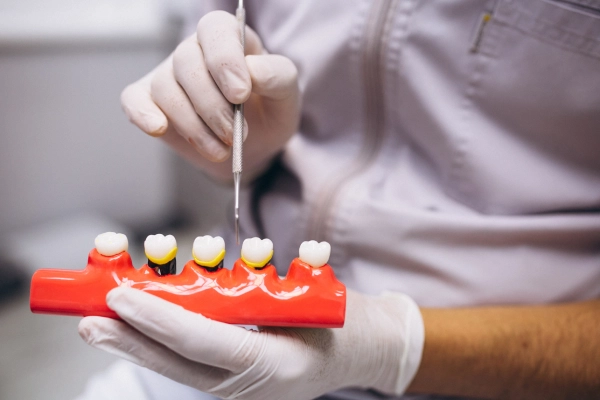
Missing teeth change more than your appearance. They throw off your bite, weaken your jaw, and make meals less enjoyable. Dental implants solve these problems by replacing both the root and the crown, restoring the strength and function you lost. No slipping, no awkward gaps—just a stable, lasting fix that feels natural every time you bite down. For patients in Nashville, this means a solution designed for the unique needs of the community.
Unlike dentures or bridges, implants use a titanium post anchored directly into your jaw. This post becomes part of your bone, topped with a custom crown that blends in with your other teeth. The result is a replacement that acts and feels like the real thing, not a removable substitute or a bridge that leans on neighboring teeth.
How We Restore Your Smile with Implants
After tooth loss, the jawbone starts to shrink because the root is gone. With an implant, we place a titanium post that takes over the root’s job. Over time, your bone fuses to the post, creating a solid base for the crown. This approach keeps your jaw strong and your bite steady.
Each crown is crafted to match your natural teeth in shape and color. It’s not just a placeholder—it’s a full replacement that lets you chew, speak, and smile with confidence. Whether you’re missing one tooth or several, implants bring back function without disturbing the teeth you still have.
Who Benefits Most from Our Implant Solutions
Plenty of adults qualify for implants, though a few need extra steps first. Healthy gums and enough bone are essential. If bone loss has already set in, we can rebuild it with a graft before moving forward. That extra step takes time, but it opens the door for a strong, lasting result.
- Adults with One or More Missing Teeth: Implants work for single gaps or full-arch replacements, restoring what’s lost.
- Patients with Healthy Gums: We address gum disease first, then move ahead once your mouth is ready.
- People Seeking a Permanent Fix: For those tired of dentures or temporary repairs, implants offer lasting stability.
- Those with Sufficient Bone Density: We check bone levels during your exam and recommend grafts if needed.
- Non-Smokers or Those Ready to Quit: Healing happens faster and more reliably when smoking isn’t in the picture.
Every case gets a personal review. Some patients need prep work, others are ready for placement right away. We explain each step so you know exactly what to expect and why it matters for your long-term results.
What to Expect During the Implant Process
Getting an implant isn’t a quick fix. The process unfolds over several months, allowing your bone to heal and bond with the post. That healing is what gives the implant its staying power. There’s no shortcut for it.
- Initial Consultation and Imaging: We use X-rays and scans to map out your bone and plan the best placement.
- Implant Placement Surgery: The titanium post goes into your jaw under local anesthesia, setting the stage for healing.
- Healing Period (Osseointegration): Over three to six months, your bone grows around the post, locking it in place.
- Abutment Placement: After healing, we attach a connector that will hold your crown securely.
- Custom Crown Fabrication and Placement: Your crown is designed to fit your bite and appearance, then attached to the abutment.
Each phase builds on the last. The surgery is straightforward, but the real transformation happens as your body integrates the implant. Patients who’ve completed the process often say the wait pays off once they see and feel the final result.
Why Our Implants Stand the Test of Time
Bridges depend on nearby teeth for support, and dentures rest on your gums, shifting as time passes. Implants work differently. They stand alone, never relying on other teeth or causing extra wear. This independence means fewer complications and a longer lifespan.
Chewing with an implant sends pressure through the post and into your jawbone, keeping the bone active and healthy. That prevents the sunken look that can follow tooth loss. Maintenance stays simple: brush, floss, and keep up with regular dental visits. No adhesives or soaking required. Just the same care you’d give your natural teeth.
What Recovery Looks Like After Implant Surgery
Right after placement, expect some swelling and tenderness. Most people notice mild bruising and discomfort for a few days, but these symptoms fade quickly. We provide clear instructions for managing pain and keeping the area clean as you heal.
Stick to soft foods for the first week. Crunchy or sticky foods can disrupt the healing process, so it’s best to wait until your jaw feels stronger. Most patients return to normal eating within two weeks, though the bone continues to fuse with the implant for several months. We check your progress at each stage, making sure everything is on track before moving forward with the final crown.
How We Help You Protect Your Implants
Daily brushing and flossing keep the gum tissue around your implant healthy. Plaque and inflammation can threaten the bone, so staying consistent with home care matters. During checkups, we examine the crown, gums, and implant stability, catching any issues early.
Simple habits make a difference. Avoid chewing on hard objects, and if you grind your teeth at night, a nightguard shields both your implant and natural teeth. Patients who stick with routine care rarely face complications, and their implants last for years without trouble.
Let's Talk About Your Tooth Replacement Options
Implants offer a permanent answer for missing teeth. If you’re ready to move past gaps, shifting dentures, or bridges that never quite feel right, let’s talk about what implants can do for you. Call 615-766-8017 or book an appointment to meet with our team at Madison Dental Works and find the solution that fits your needs.