



By using our website, you agree to the use of cookies as described in our Cookie Policy
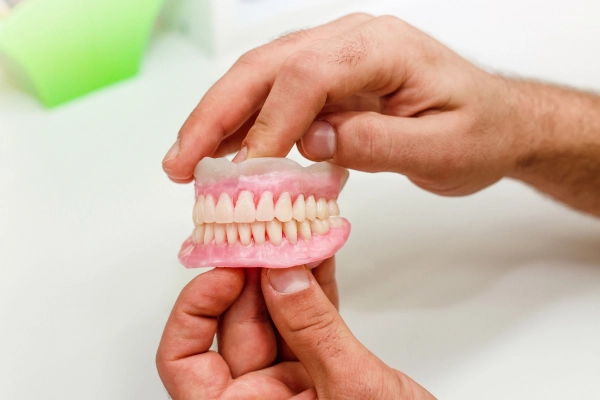
Missing teeth change more than your appearance. Meals become a challenge, words don’t sound the same, and self-assurance takes a hit. Dentures step in as a straightforward fix—no surgery, no drawn-out recovery. Whether you’re dealing with a few gaps or need a full set, there’s a practical answer that fits your daily life in Nashville and beyond.
How We Match Denture Types to Your Needs
Every mouth tells a different story, so the right denture depends on what’s missing and what’s left. Some people need a full set, while others just want to fill a few spaces. We look at your gums, jaw, and routine to recommend what actually works for you.
- Full Dentures: Used when all teeth on the upper or lower jaw are gone, these rest directly on your gums and restore your bite.
- Partial Dentures: Designed for those with several missing teeth, they attach to your remaining teeth for stability and keep your bite aligned.
- Immediate Dentures: Placed right after extractions, so you’re never left without teeth while your mouth heals.
- Implant-Supported Dentures: Snap onto dental implants for a secure fit that stays put through meals and conversation.
- Flexible Dentures: Made from softer materials, these flex with your mouth and offer comfort for sensitive gums.
We walk you through each option, weighing comfort, cost, and how they’ll fit into your routine. The goal is a solution that feels natural and lets you get back to living without second-guessing your smile.
Fitting Partial Dentures for Lasting Stability
When only some teeth are missing, partial dentures step in to fill the gaps and keep everything steady. Instead of covering your whole mouth, they anchor to your healthy teeth, using clasps or hidden attachments for a snug fit.
- Metal Framework Partials: Built with a slim metal base and sturdy clasps, these hold up well for daily wear.
- Acrylic Partials: Crafted from pink plastic that blends with your gums, often chosen for temporary or budget-friendly fixes.
- Flexible Partials: Feature soft, tooth-colored clasps that blend in and feel less bulky than metal.
- Precision Attachment Partials: Connect to crowns on nearby teeth with hidden attachments, skipping visible clasps for a cleaner look.
With a well-made partial, your bite stays even and chewing feels natural. Teeth don’t drift into empty spaces, and jaw pain stays at bay. We take careful impressions to ensure your partial fits comfortably. No pinching, no rubbing, just a secure feel that lasts through the day.
What Happens at Each Denture Appointment
Getting dentures is a process, not a quick fix. It starts with detailed impressions and measurements, followed by a series of fittings to fine-tune the shape and bite. Skipping steps or rushing leads to sore spots and dentures that never quite feel right.
At the first visit, we take molds of your gums and any remaining teeth. The lab uses these to build a model that matches your mouth. Next, you’ll try a wax version to check the bite and alignment. Once the final set is ready, we make small adjustments so nothing presses or shifts. You’ll leave knowing how to put them in, take them out, and keep them clean. Most patients in Nashville finish the process in two to four weeks, though immediate dentures can go in the same day as extractions. We plan follow-up visits to adjust as your gums heal, so you’re never left with a poor fit.
Helping You Adjust to New Dentures
For most people, the first days with dentures feel awkward. The bulk is unfamiliar, and your tongue needs time to adapt. Reading aloud helps retrain your mouth, and starting with soft foods makes meals less frustrating. Soreness is common at first, but sharp pain signals the need for an adjustment.
- Speaking Clearly: Reading out loud helps your tongue and lips adapt to the new shape.
- Eating Soft Foods: Begin with easy textures like eggs or mashed potatoes before moving to tougher bites.
- Managing Sore Spots: Mild irritation fades, but persistent pain means we need to tweak the fit.
- Building Wear Time: Wear them for a few hours at first, then increase as your gums adjust.
- Using Adhesive Sparingly: A little adhesive can help, but a good fit shouldn’t need much.
Extra saliva is normal at first and usually settles within a week. If the upper denture triggers a gag reflex, let us know so we can adjust the fit. Most people settle in within a month, but we stay in touch to make sure you’re comfortable and confident as you adapt.
Keeping Dentures Clean and Comfortable
Daily care keeps dentures looking good and fitting well. Skipping cleaning leads to stains, odors, and a loose fit. Remove them every night and brush with a soft brush and non-abrasive cleaner. Regular toothpaste scratches and creates spots for bacteria. Soak them overnight in a denture solution to prevent drying and warping. Rinse your mouth and gums to clear away adhesive and keep tissues healthy.
Always handle dentures over a towel or a sink filled with water. Dropping them on a hard surface can crack the base or chip a tooth, and even small cracks weaken the structure. Store them in water or solution when not in use; letting them dry out causes shrinkage and a poor fit. We check for wear and tear at every visit, so you get the most out of your dentures year after year.
When We Recommend Repairs or Replacement
Over time, your mouth changes and dentures that once fit perfectly start to slip or feel uncomfortable. We look for signs that it’s time for a repair or a new set, so you’re never left struggling with loose or damaged dentures.
- Loose Fit: Dentures that move or click during meals or conversation need relining or replacement to restore comfort.
- Visible Cracks: Even small fractures weaken the denture and should be fixed before they get worse.
- Broken Teeth: Chipped or missing teeth on the denture affect how you chew and speak.
- Persistent Sore Spots: Ongoing irritation means the denture no longer matches your gums.
- Stains That Won't Lift: Deep discoloration that resists cleaning makes dentures look worn and aged.
Quick fixes like relining or replacing a tooth can often be done in a day or two. When the denture is old, worn, or no longer matches your bite, a full replacement is the best move. Regular checkups at Madison Dental Works help you catch these issues early, so your dentures stay comfortable and reliable for Nashville residents and those in nearby communities.
Let's Get You Fitted for Dentures
Missing teeth shouldn't keep you from eating the foods you enjoy or smiling without hesitation. Call 615-766-8017 or book an appointment with Madison Dental Works to start the fitting process.