



By using our website, you agree to the use of cookies as described in our Cookie Policy
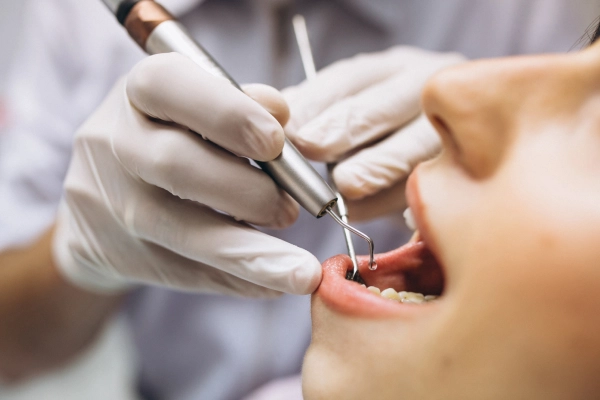
Persistent tooth pain signals a deeper problem. When cold drinks sting, chewing feels wrong, or swelling appears near a single tooth, infection has likely reached the nerve. Root canal therapy targets that infection, letting you keep your tooth instead of losing it. We rely on clear diagnosis and direct treatment. No guessing, no unnecessary steps. Many of our patients in Nashville benefit from this focused approach to dental care.
When We Spot the Signs That Call for a Root Canal
Sharp pain that wakes you up, sensitivity that lingers after hot or cold drinks, or a tooth that aches when you bite down. These symptoms don’t fade on their own. Sometimes pain eases for a while, but that’s not healing; it’s the nerve shutting down. Infection keeps spreading, even if you feel temporary relief.
- Constant or Throbbing Pain: Discomfort that sticks around, whether you’re eating or not.
- Sensitivity to Hot and Cold: A sting that lingers long after the temperature changes.
- Swollen or Tender Gums: Puffiness or a persistent bump near the tooth that doesn’t resolve.
- Darkening of the Tooth: A tooth turning gray or darker than its neighbors.
- Pain When Chewing or Pressing: Biting down triggers pain and pressure makes it worse.
Ignoring these signs only lets the infection dig deeper. We see people across Nashville who waited, hoping things would improve. The infection never fixes itself. Root canal therapy stops the damage before it spreads to bone or nearby teeth.
How We Identify the Source of Tooth Infections
Decay, cracks, or trauma open the door for bacteria. Once inside, bacteria multiply fast. The pulp swells, then infection takes over. Blood flow can’t reach the inside of the tooth, so your body can’t clear it out. That’s when pain sets in and the problem escalates.
Deep cavities are the usual culprit. Left untreated, they break through enamel and dentin, reaching the nerve. Cracks from grinding, biting hard foods, or failed fillings also let bacteria in. Even a tooth injured years ago can develop infection later. Sometimes, there’s no pain at first. The infection grows quietly until an abscess forms. By then, the tooth is in real trouble. Root canal therapy removes the infection and seals the tooth, blocking bacteria from coming back.
How We Handle Root Canal Treatment
With root canal therapy, we remove the infected pulp, clean the inside, and seal the tooth. The process is straightforward. First, we numb the area so you stay comfortable. Then, we create a small opening to reach the pulp chamber and root canals.
- Accessing the Pulp: We make a small opening in the crown to reach the infected tissue.
- Removing the Infection: Damaged pulp, bacteria, and debris are cleared out with precise tools.
- Shaping and Disinfecting: The canals are shaped and flushed with antibacterial solution to clear out any lingering infection.
- Filling the Canals: We seal the space with gutta-percha, a rubber-like material that keeps bacteria out.
- Restoring the Tooth: A temporary or permanent filling goes in, and a crown is usually added later for strength.
Most cases take one or two visits. Once sealed, the tooth works like any other. You can chew, brush, and move on. We walk you through each step so you know exactly what’s happening.
What Patients Experience During Treatment
For many, the appointment feels easier than expected. After numbing, you won’t feel pain. Just some pressure. The process is similar to getting a filling, though it takes a bit longer. We use a rubber dam to keep the area dry and clean, which might feel odd at first but helps keep bacteria out. You’ll hear the usual dental sounds, but nothing sharp or alarming. If you sense discomfort, we add more numbing right away.
Afterward, mild soreness is common for a day or two. That’s your body healing, not the infection lingering. Over-the-counter pain relief usually does the job. If pain worsens or swelling appears, we want to hear from you so we can check your recovery.
How We Support Your Recovery
Most people return to work or daily routines the same day. The tooth stays numb for a few hours, so avoid chewing on that side until sensation returns. Once it does, eat as usual. Just stick to softer foods if the area feels tender. Brush and floss normally. If the tooth hasn’t been crowned yet, avoid biting hard foods, since a temporary filling can crack. We’ll schedule a follow-up for the permanent crown, which restores full strength.
Mild sensitivity can last a week or so as the tooth settles. If pain sharpens or swelling develops, that’s not typical. Call us so we can help. Relief starts as soon as the infection is gone, and recovery should be smooth from there.
Why We Focus on Saving Your Natural Tooth
Losing a tooth creates new problems. Neighboring teeth shift, your bite changes, and chewing gets harder. Replacing a missing tooth with an implant or bridge costs more and takes longer than saving the original. Root canal therapy keeps your natural tooth in place, supporting your bite and working just like before. Once crowned, it’s built to last for years. You’ll eat, talk, and smile without noticing a difference.
We’ve helped many patients who thought extraction was their only option. As long as there’s enough healthy structure, we can usually save the tooth. Madison Dental Works always aims to preserve your natural teeth. Extraction is the last step, not the first. Our dedication to dental health extends throughout the Nashville community.
Let's Take Care of That Toothache
If you're dealing with tooth pain that won't quit, don't wait for it to get worse. Call Madison Dental Works at 615-766-8017 or book an appointment so we can take a look and get you out of pain.