



By using our website, you agree to the use of cookies as described in our Cookie Policy
Can a Dental Crown in Nashville Save a Damaged Tooth?
Most people think a damaged tooth means extraction. Game over. But dental crowns tell a different story — and if you're not exploring them, you're walking away from a salvage operation. A crown isn't just cosmetic. It's structural. It's protective. And when the damage hasn't reached the root, it's often the difference between keeping your tooth and losing it.
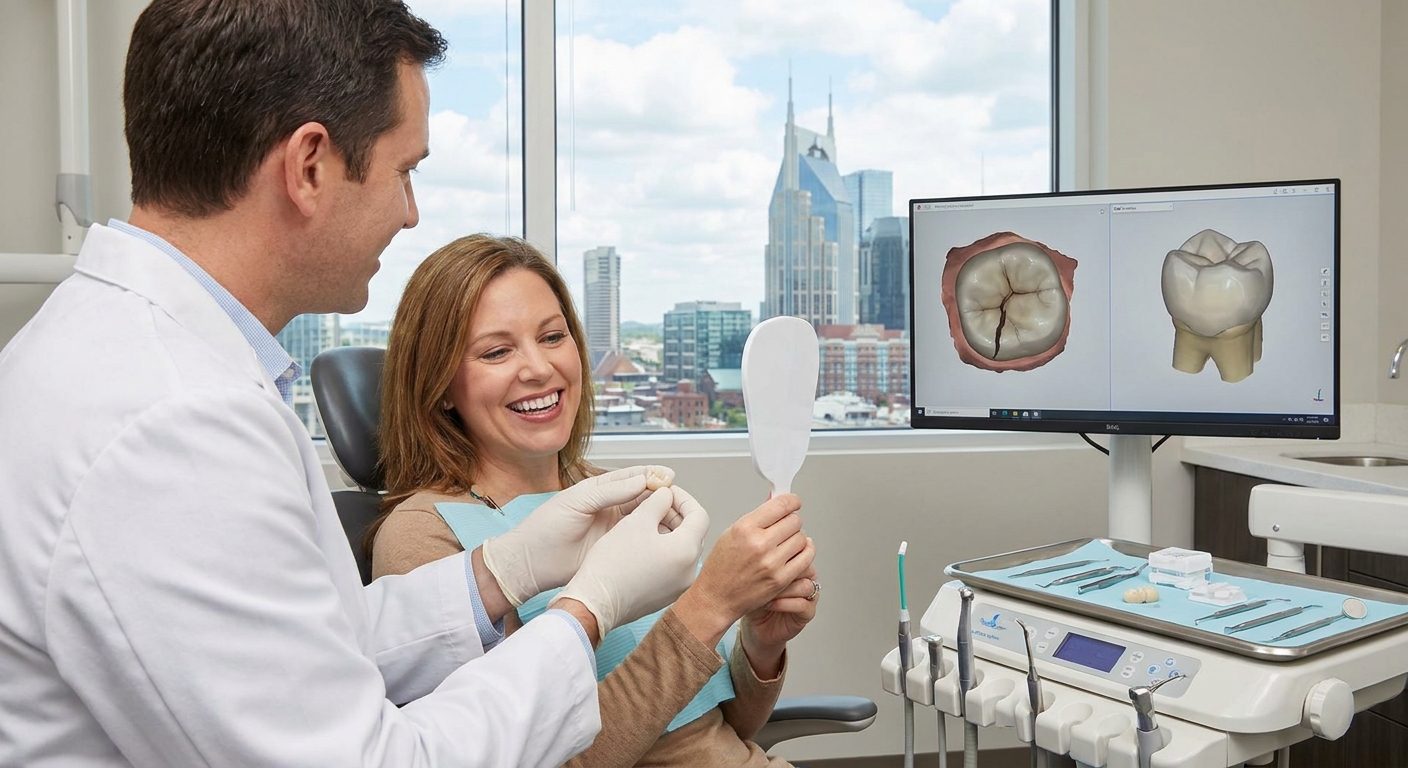
Here's what matters. If your tooth still has a viable foundation, a crown can bring it back online. Just don't assume every crack or chip qualifies. Every case needs evaluation. Every restoration needs precision. And every decision should be rooted in what the tooth can still handle — not just how bad it looks on the surface.
What a Crown Actually Does
A crown is a custom cap that sits over what's left of your damaged tooth. It rebuilds the structure, seals out bacteria, and restores function. Most crowns are crafted from porcelain, ceramic, metal, or a hybrid — each with its own strengths depending on location and bite pressure.
The beauty of a crown is that it doesn't just patch the problem. It encases it. That means you get back the ability to chew, speak, and smile without wincing. And if the underlying tooth is still healthy at the root, that crown can buy you another decade or more before anything else needs attention.
When Crowns Make Sense
Dentists in Nashville recommend crowns in a handful of scenarios. Not every toothache calls for one, but certain conditions make them the go-to fix.
- A tooth weakened by decay or oversized fillings that compromise the walls
- Cracks, chips, or fractures that leave the tooth vulnerable to further breakage
- Post-root canal protection, since treated teeth become brittle over time
- Cosmetic upgrades for discolored or misshapen teeth that resist whitening
- Anchoring dental bridges or capping implants for full restoration
If your dentist says a crown is on the table, it usually means the damage is significant but not terminal. The tooth can still be saved — it just needs reinforcement.
Why Crowns Work When Other Fixes Don't
Once a tooth sustains heavy damage, fillings and bonding often fall short. They can't distribute bite force evenly, and they don't seal the tooth completely. A crown does both. It wraps the entire visible structure, locking out bacteria and stabilizing the tooth so it doesn't crack further under pressure.
When the pulp and root are intact, a crown essentially resets the clock. You're not dealing with a compromised tooth anymore — you're dealing with a reinforced one. That stability protects your bite alignment, keeps neighboring teeth from shifting, and prevents bone loss in the jaw.
What the Procedure Looks Like
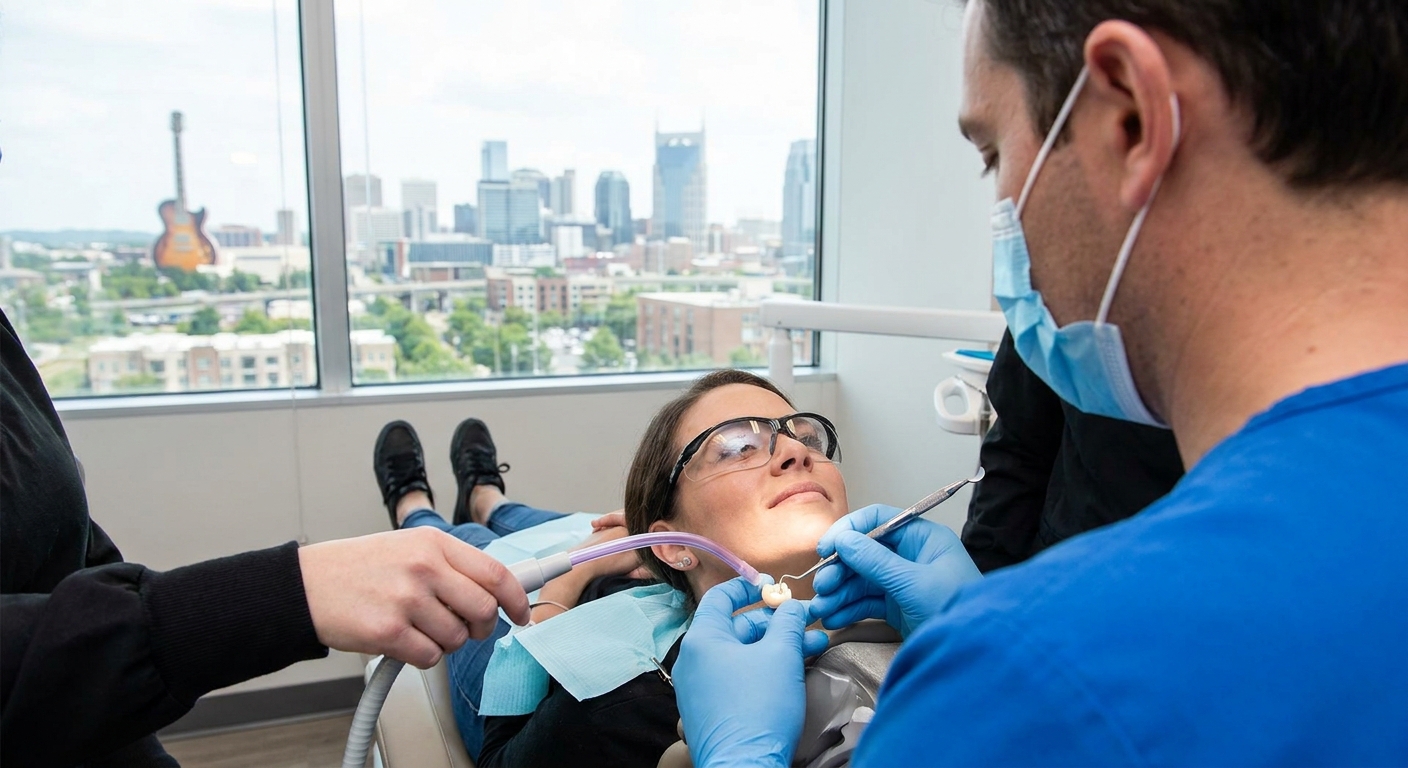
Getting a crown typically means two appointments. The first visit involves prep work. Your dentist removes decay, reshapes the tooth, and takes an impression. That mold gets sent to a lab where your crown is fabricated to match your bite and color. You'll leave with a temporary crown to protect the tooth in the meantime.
The second visit is all about placement. The temp comes off, the permanent crown goes on, and your dentist makes adjustments until the fit is seamless. Once cemented, you're cleared to resume normal activity. No special diet. No extended recovery. Just a restored tooth that works like it should.
What Crowns Bring to the Table
Crowns aren't a Band-Aid. They're a rebuild. And when done right, they deliver on multiple fronts.
- Built to last under the daily grind of chewing and clenching
- Designed to blend with your natural teeth in color and contour
- Seals the tooth from bacteria and prevents future decay
- Feels natural once placed, with no awkward bulk or sensitivity
- Can hold up for ten to fifteen years with proper care and maintenance
How to Keep Your Crown Intact
Once your crown is in, the work shifts to upkeep. Brush twice daily, floss around the margins, and skip the hard candy or ice chewing. Crowns are tough, but they're not invincible. Grinding your teeth or using them as tools can crack even the best restoration.
Regular checkups with your Nashville dentist help catch issues early. If the cement wears down or the crown loosens, it's easier to fix before the underlying tooth gets reinfected. Preventive care is key — small interventions prevent expensive breakdowns.
When to Skip the Crown
Crowns aren't magic. If the damage extends deep into the root or the tooth is too fractured to support a restoration, extraction might be the only move. Same goes if there's severe bone loss or advanced gum disease undermining the foundation.
Your dentist will shoot straight with you. If a crown won't hold, they'll tell you. And if you're on the fence, ask about alternatives like onlays or implants. Every case is different, and the right call depends on your tooth's remaining structure and your long-term goals.
Material Choices Matter
Not all crowns are created equal. The material you choose affects durability, appearance, and cost.
- Porcelain fused to metal offers strength and a natural look, but metal edges can show over time
- All-ceramic crowns blend seamlessly and resist staining, ideal for front teeth
- Gold or metal alloys last the longest and handle heavy bite pressure, though they stand out visually
- Zirconia crowns combine strength with aesthetics, popular for molars and high-stress areas
Your dentist will recommend based on location, budget, and how much force that tooth endures. Front teeth lean aesthetic. Molars lean durable.
Cost and Insurance Considerations
Crowns in Nashville typically range from a few hundred to over a thousand dollars per tooth, depending on material and complexity. Most dental insurance plans cover a portion if the crown is medically necessary — not just cosmetic.
Check your policy details before committing. Some plans cap annual benefits or require pre-authorization. If you're paying out of pocket, many practices offer payment plans. It's worth the investment if the alternative is losing the tooth and paying more later for an implant or bridge.
Finding the Right Dentist in Nashville
Not every dentist handles complex restorations the same way. Look for someone with experience in crowns, modern lab partnerships, and a track record of follow-through.
- Check reviews for consistent feedback on crown quality and longevity
- Ask about the lab they use and turnaround time for custom work
- Confirm they use digital impressions, which are more accurate than traditional molds
- Discuss material options upfront so you know what you're getting
- Make sure they offer same-day adjustments if the crown doesn't fit right initially
When to Call It
If you're dealing with a cracked tooth, chronic pain, or a filling that keeps failing, don't wait for the tooth to snap in half. Crowns work best when there's still something to build on. Once the damage spreads to the root or the tooth splits vertically, your options narrow fast.
We've seen too many patients delay treatment until extraction becomes the only choice. A crown might cost more upfront than a filling, but it saves you from implants, bone grafts, and the cascade of complications that follow tooth loss. Get it checked. Get it crowned. And get back to using your smile the way it was meant to work.
Ready to Restore Your Smile?
We believe everyone deserves a strong, confident smile that lasts. If you’re wondering whether a dental crown is the right move for your damaged tooth, let’s talk it through together. Give us a call at 615-766-8017 or book an appointment so we can help you keep your natural teeth healthy and functional for years to come.
‹ Back
Recent Posts
-
Do You Need an Emergency Dentist in Nashville for a Broken Tooth?
October 15, 2026
-

Can Veneers in Nashville Fix Uneven or Discolored Teeth?
October 1, 2026
-

When Should You Consider Dentures in Nashville for Missing Teeth?
September 17, 2026
-
Are Tooth-Colored Fillings in Nashville Better for Visible Teeth?
September 3, 2026
-
Can a Dental Crown in Nashville Save a Damaged Tooth?
August 20, 2026