



By using our website, you agree to the use of cookies as described in our Cookie Policy
How Often Should You Get Dental X-Rays in Nashville?
Most people think X-rays are just another routine procedure. Check the box, move on. But your dentist sees more than that — and if you don't understand why you're getting them, you're missing the point. X-rays aren't about protocol. They're about catching what you can't see before it costs you time, pain, or serious money.
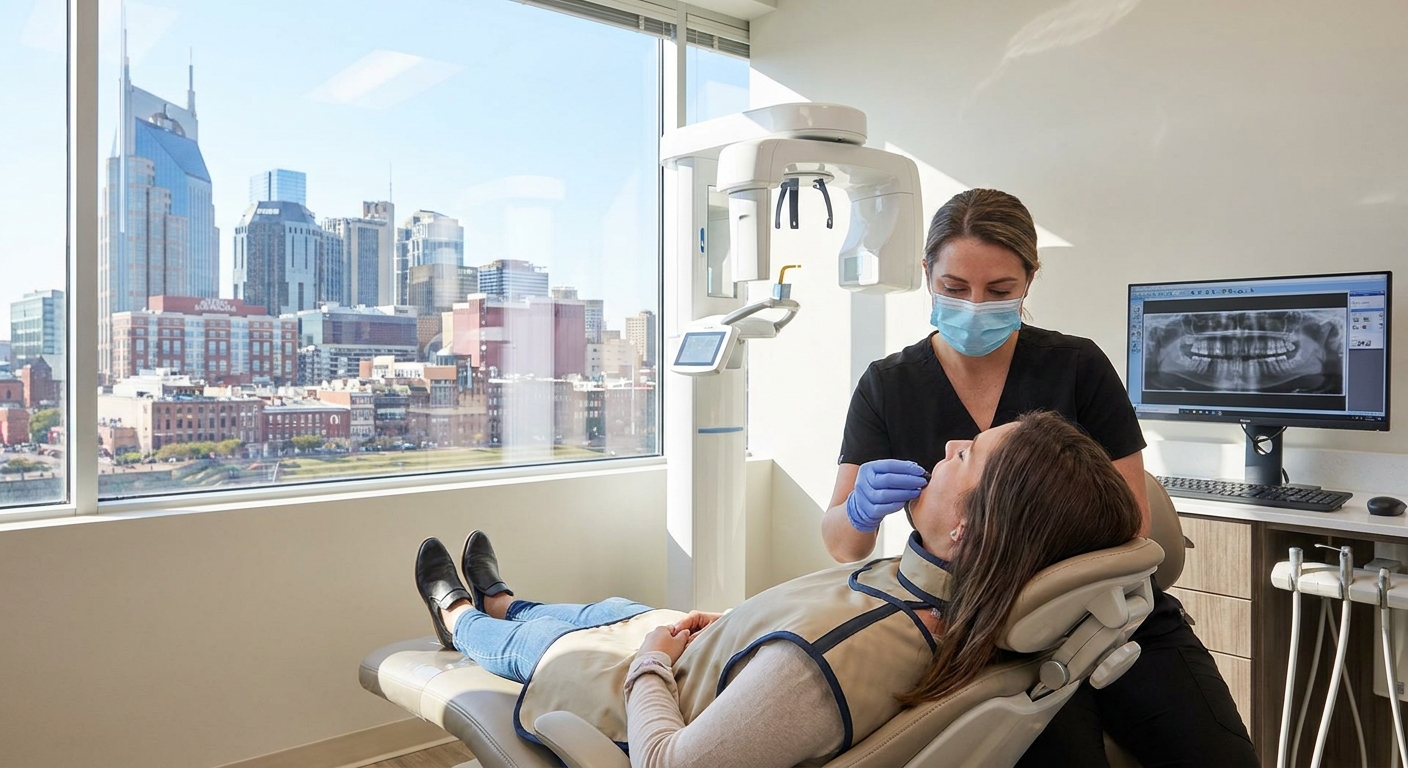
Here's the reality. If you're showing up for cleanings and expecting your teeth to behave, great. Just don't assume everything's fine because nothing hurts. Decay hides between surfaces. Bone loss creeps in quietly. Every diagnostic image should have a reason. Every recommendation needs context. And every decision about frequency should be grounded in your actual risk — not just what worked for the last patient.
What X-Rays Actually Catch
Your dentist can spot a lot during an exam, but not everything. Cavities wedged between molars don't announce themselves. Bone deterioration from gum disease doesn't show up in a mirror. Impacted teeth, cysts, abscesses — these sit under the gumline waiting to become emergency care situations.
That's where imaging comes in. The technology lets providers see what's brewing before symptoms arrive. Early detection isn't just convenient. It's the difference between a filling and a root canal. Between monitoring and extracting. Between a quick fix and a multi-visit nightmare.
Your Risk Profile Drives the Schedule
There's no universal timeline that works for everyone. Frequency depends on what's already happened in your mouth and what's likely to happen next. Some patients cruise along with minimal intervention. Others need closer monitoring because their history says trouble's coming.
Here's what typically shapes the recommendation:
- New patient status: If you're walking into a practice for the first time, expect a full set to establish baseline data
- Age and development: Kids and teens often need more frequent imaging because their teeth and jaws are still changing
- Cavity history: A track record of decay means your dentist will want to watch more closely
- Gum disease presence: Active periodontal issues require ongoing evaluation of bone levels
- Lifestyle factors: Smoking, dry mouth, diabetes — all raise the stakes and shorten the intervals
Standard Intervals That Actually Make Sense
Most Nashville providers follow ADA guidelines, but they adjust based on what they're seeing. Low-risk adults might go two or three years between bitewing sets. High-risk patients might need them annually or even more often during active treatment.
Children typically fall somewhere in the middle — every six to twelve months if decay is a concern, longer if their mouths are stable. Teens can stretch it out to twelve or eighteen months unless orthodontics or other issues are in play.
The key is that your dentist should explain the rationale. If they're recommending imaging, there should be a clinical reason tied to your specific situation. Not just a calendar reminder.
Radiation Exposure Isn't What It Used to Be
Worried about safety? You're not alone. But modern digital X-rays deliver a fraction of the radiation older film systems used. We're talking exposure levels lower than what you'd get on a short flight or a day in the sun.
Nashville practices using current technology also layer in protective measures:
- Lead aprons that shield your torso
- Thyroid collars for added neck protection
- Focused beams that target only the necessary area
- Digital sensors that require less radiation to produce clear images
The risk-benefit equation tips heavily toward benefit. Missing a hidden problem because you skipped imaging? That's the bigger gamble.
The Appointment Itself Takes Minutes
Getting X-rays isn't complicated. Your hygienist or assistant will position a small sensor inside your mouth, ask you to bite down gently, and take the image in seconds. Digital results pop up on the screen immediately, so your dentist can review them during the same visit.
No waiting. No discomfort. Just a quick process that feeds into the bigger picture of what's happening with your teeth and gums.
Nashville Practices With the Right Tools
Not all dental offices run the same equipment. If you're choosing a provider, look for one that's invested in digital radiography. It's faster, safer, and gives better image quality than outdated film-based systems.
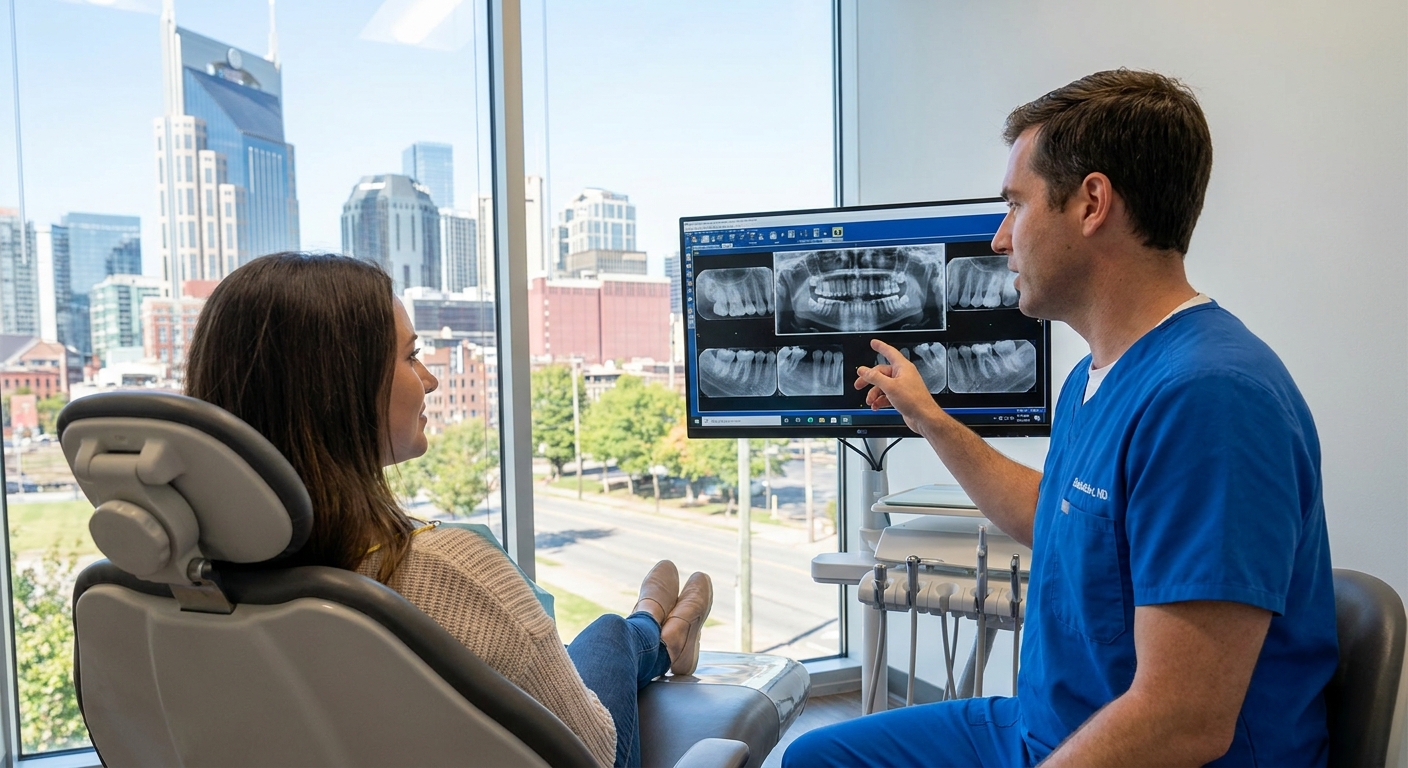
You also want a team that takes time to walk you through findings:
- Clear explanations of what the images show
- Transparent reasoning for the recommended frequency
- Willingness to adjust intervals based on your evolving needs
- Respect for your questions and concerns about exposure
When Patients Skip or Delay Imaging
Some people push back on X-rays because they don't see the immediate value. If nothing hurts, why bother? That thinking backfires when a small cavity turns into a crown. When bone loss reaches a point where saving a tooth becomes borderline impossible.
Others worry about cost. But catching issues early almost always costs less than treating advanced problems. A bitewing set is a bargain compared to an implant or extensive restorative work.
And then there's the radiation concern, which we've already covered. The dose is minimal. The payoff is real. Skipping imaging to avoid trace exposure is like refusing a seatbelt because you're afraid of the fabric.
Customized Care Beats Cookie-Cutter Schedules
Your mouth isn't identical to anyone else's. Your X-ray schedule shouldn't be either. A good Nashville dentist tailors the timing to your history, your habits, and what they're tracking over time.
That might mean annual imaging if you've had several fillings in recent years. Or it might mean stretching to every two or three years if your oral health has been rock-solid. The point is to match the frequency to the facts — not to a one-size-fits-all protocol that ignores individual risk.
Why Consistency Matters More Than You Think
Jumping between providers or skipping years between visits makes it harder to track changes. X-rays taken at regular intervals create a timeline. Your dentist can compare current images to past ones and spot trends — whether that's improvement, stability, or early signs of trouble.
If you move practices or take a long break, you lose that continuity. Which means the new provider starts from scratch, often ordering more imaging than they would have if they'd been following you all along.
Protecting Your Smile With Smart Decisions
Diagnostic imaging isn't about checking boxes or padding bills. It's about giving your dentist the data they need to keep your teeth and gums healthy for the long haul. The frequency should reflect your actual risk, your history, and what's happening now — not some arbitrary rule.
If your Nashville provider is recommending X-rays, ask why. Understand the reasoning. Make sure it's tied to your situation, not just routine habit. And if the answer makes sense, don't skip it. The few minutes you spend in the chair could save you weeks of recovery and thousands of dollars down the road.
Ready to Take Control of Your Dental Health?
We believe everyone deserves a dental care plan that fits their unique needs, not just a generic schedule. If you want clarity on your X-ray routine or have questions about your oral health, let's talk it through together. Call us at 615-766-8017 or book an appointment so we can help you make the best decisions for your smile.
‹ Back
Recent Posts
-

Do You Need an Emergency Dentist in Nashville for a Broken Tooth?
October 15, 2026
-

Can Veneers in Nashville Fix Uneven or Discolored Teeth?
October 1, 2026
-

When Should You Consider Dentures in Nashville for Missing Teeth?
September 17, 2026
-
Are Tooth-Colored Fillings in Nashville Better for Visible Teeth?
September 3, 2026
-
Can a Dental Crown in Nashville Save a Damaged Tooth?
August 20, 2026