



By using our website, you agree to the use of cookies as described in our Cookie Policy
Can You Fix Chipped or Cracked Teeth with Dental Bonding in Nashville?
Chipped teeth happen. A hard candy catches you off guard. You bite down wrong on a fork. Or maybe you just woke up one morning and noticed a rough edge that wasn't there before. Most people assume the fix is going to be expensive, invasive, or both. But dental bonding exists for exactly this reason — and if you're in Nashville, you've got access to practitioners who do it right.
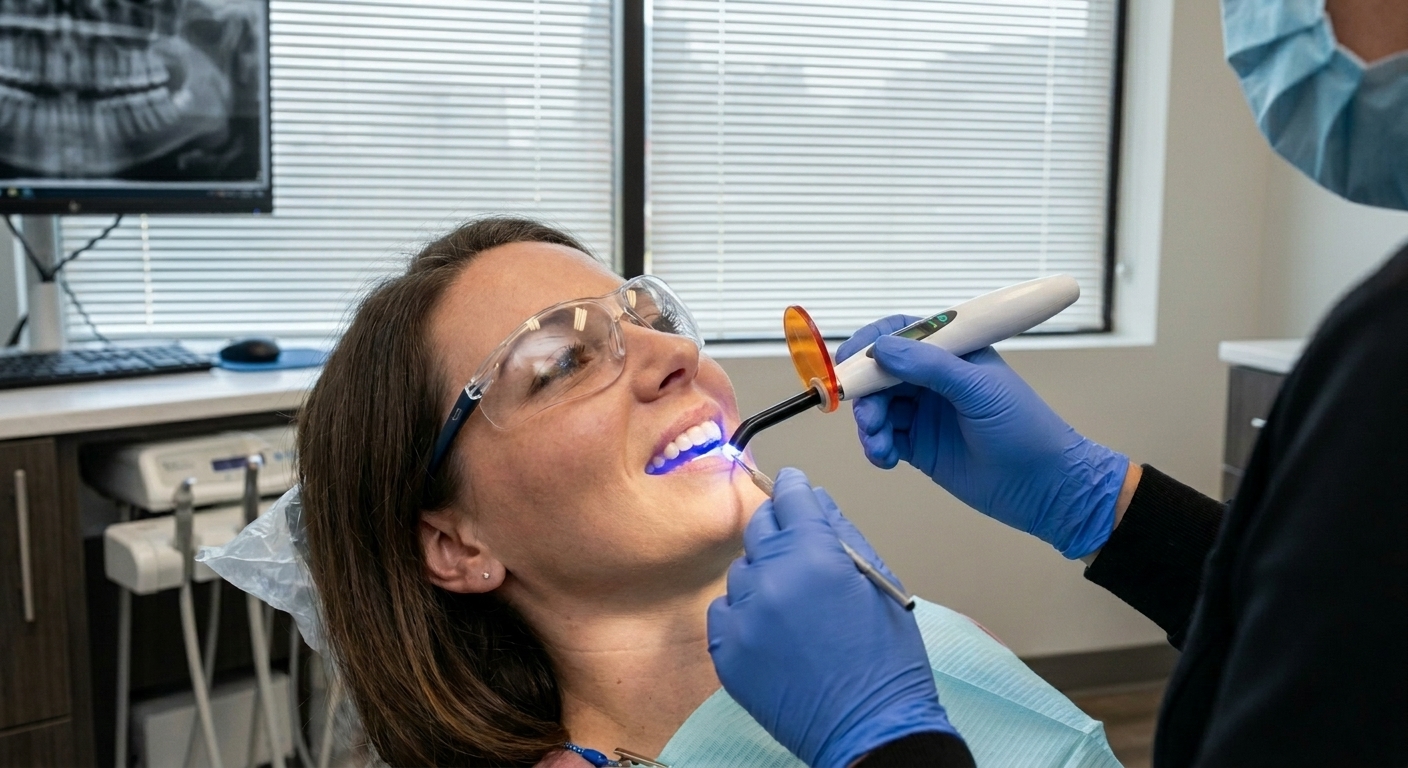
Bonding isn't a last resort. It's a front-line repair that works fast, looks natural, and doesn't demand the kind of prep or recovery you'd associate with crowns or veneers. That said, it's not a one-size-fits-all answer. The real question isn't whether bonding can fix your tooth — it's whether it should, and whether you're walking into the right office to get it done.
What Bonding Actually Does
Bonding uses composite resin — basically a tooth-colored putty — to rebuild what's missing. Your dentist applies it to the damaged spot, sculpts it to match the original tooth shape, then hardens it with a UV light. The result is immediate. No lab work. No temporary caps. No waiting around while something gets fabricated off-site.
The procedure is minimally invasive. In most cases, there's no drilling and no anesthesia required. Your dentist roughens the surface slightly, applies a conditioning agent so the resin sticks, then layers and shapes the material until it blends. Once cured and polished, the bonded section should feel smooth and look seamless. Done well, no one will know it's there.
When Bonding Makes Sense
Bonding works best on minor chips and cracks — the kind that affect appearance or cause slight sensitivity but don't threaten the structural integrity of the tooth. If the damage is shallow and the rest of the tooth is healthy, bonding can restore both function and aesthetics in under an hour.
But if the crack runs deep, reaches the nerve, or compromises a large portion of the tooth, bonding won't cut it. You'll need something more robust — a crown, root canal therapy, or in severe cases, extraction and replacement. That's why a proper evaluation matters. Trying to patch a serious problem with resin is like duct-taping a cracked foundation. It might hold for a minute, but it won't last.
Why Nashville Patients Choose Bonding
There are plenty of ways to fix a broken tooth, but bonding stands out for a few key reasons. It's faster than most alternatives, less invasive than crowns, and significantly cheaper than veneers. For patients who want a same-day fix without major expense or discomfort, bonding checks every box.
- Speed: Most bonding appointments take 30 to 60 minutes per tooth, start to finish.
- Affordability: Bonding typically costs a fraction of what you'd pay for crowns or veneers.
- Preservation: Unlike crowns, bonding doesn't require grinding down healthy tooth structure.
- Natural Look: The resin is color-matched to your existing teeth, so the repair blends in completely.
- Versatility: Bonding can also close gaps, reshape teeth, or cover discoloration in addition to repairing chips.
What Bonding Won't Do
Bonding is durable, but it's not indestructible. The resin can chip, stain, or wear down over time — especially if you grind your teeth, chew ice, or bite your nails. It's not as strong as natural enamel or porcelain, so it's not the best choice for high-impact areas like molars that take heavy chewing force.
Bonding also has a shorter lifespan than crowns or veneers. With good care, it can last five to ten years. But if you're looking for a permanent, set-it-and-forget-it solution, you'll need to consider other options. And if the damage is extensive or the tooth is already compromised, bonding might not hold up long enough to justify the cost.
How to Know If You're a Good Candidate
Not every chipped tooth is a bonding case. The best candidates have minor cosmetic damage on front or side teeth, no history of severe grinding or clenching, and realistic expectations about longevity. If you're dealing with any of the following, bonding might be the right move.
<ul
- Small chips on the edges of front teeth
- Hairline cracks that don't reach the pulp
- Minor discoloration that doesn't respond to whitening
- Small gaps between teeth
- Slightly misshapen teeth that don't require orthodontics
If your damage is deeper, involves multiple teeth, or affects molars that handle heavy bite pressure, your dentist will likely recommend a crown or other restoration. Bonding is a tool, not a cure-all. The key is matching the treatment to the problem.
Finding the Right Dentist in Nashville
Nashville has no shortage of cosmetic dentists, but not all of them handle bonding with the same level of skill. The procedure is straightforward, but the artistry matters. A poorly shaped bond will feel bulky, look obvious, or chip within months. A well-executed one will blend so seamlessly you'll forget it's there.
Look for a dentist with a portfolio of bonding cases, positive patient reviews, and a willingness to walk you through the process before you commit. Ask to see before-and-after photos. Ask about their experience with composite resins and how they handle color matching. And if something feels off during your consultation, trust that instinct.
What to Expect During the Procedure
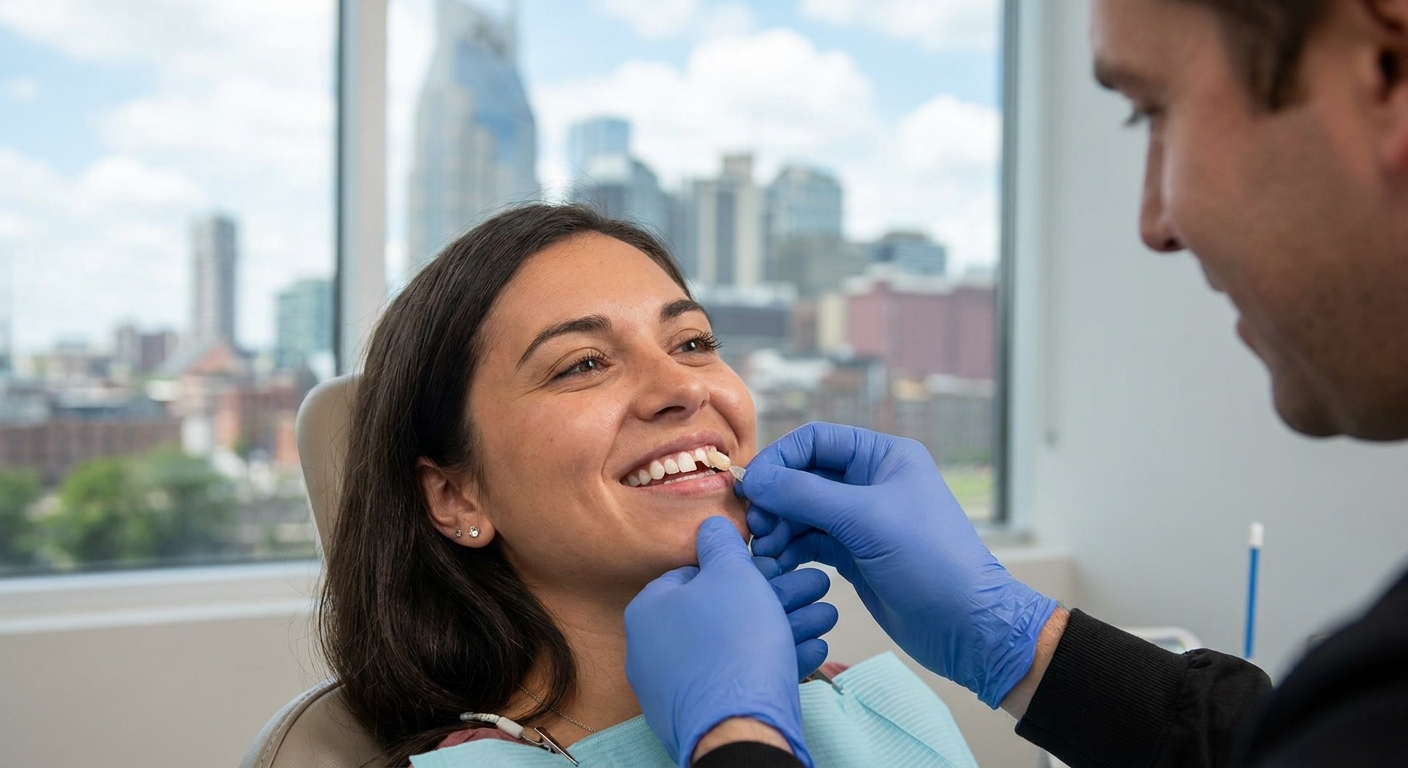
Bonding appointments are quick and low-stress. Your dentist will start by selecting a resin shade that matches your natural tooth color. Then they'll prep the surface, apply the conditioning liquid, and layer on the composite material. Each layer is shaped,, smoothed, and hardened under a curing light before the next one goes on.
- No drilling in most cases
- Little to no anesthesia required
- Immediate results with no waiting period
- Final polish ensures a smooth, natural finish
Once the bonding is complete, you can eat and drink right away. There's no recovery period and no special aftercare beyond your normal brushing and flossing routine. Just avoid biting into hard objects with the bonded tooth, and schedule regular checkups to make sure the repair stays intact.
Common Mistakes Patients Make
We see patients make the same handful of errors when it comes to bonding. Some wait too long to address a chip, letting the damage worsen until bonding is no longer an option. Others skip the follow-up visits and assume the bond will last forever without any maintenance. And plenty of people choose a dentist based solely on price, only to end up with a sloppy repair that needs to be redone within a year.
- Ignoring small chips until they become big problems
- Choosing the cheapest option without vetting the dentist's work
- Skipping routine checkups that catch wear before it becomes a failure
- Using the bonded tooth to chew ice, bite nails, or open packages
- Assuming bonding is permanent and neglecting proper oral hygiene
Keeping Your Bonded Tooth in Shape
Bonding requires the same care as your natural teeth — brushing twice a day, flossing daily, and avoiding habits that put unnecessary stress on your teeth. Resin can stain from coffee, tea, red wine, and tobacco, so if you're a heavy consumer of any of those, you'll want to rinse your mouth afterward or cut back.
Regular dental cleanings help maintain the polish and integrity of the bonded area. And if you grind your teeth at night, a mouthguard will protect both the bonding and your natural enamel from excessive wear. Treat your bonded tooth like it's worth protecting, and it'll hold up longer than you'd expect.
Worth the Effort
Bonding isn't flashy. It doesn't come with the prestige of veneers or the permanence of crowns. But for the right patient with the right damage, it's one of the smartest, most efficient fixes in cosmetic dentistry. Fast, affordable, and effective — when done by someone who knows what they're doing. If you're in Nashville and staring at a chipped tooth in the mirror, bonding might be exactly what you need. Just make sure you're walking into an office that treats it like the precision work it is.
Ready to Restore Your Smile?
We know how much a chipped or cracked tooth can affect your confidence and comfort. Let’s get you back to smiling without hesitation. If you’re considering dental bonding in Nashville, give us a call at 615-766-8017 to talk through your options, or contact us today and let’s take the next step together.
‹ Back
Recent Posts
-

Do You Need an Emergency Dentist in Nashville for a Broken Tooth?
October 15, 2026
-

Can Veneers in Nashville Fix Uneven or Discolored Teeth?
October 1, 2026
-

When Should You Consider Dentures in Nashville for Missing Teeth?
September 17, 2026
-
Are Tooth-Colored Fillings in Nashville Better for Visible Teeth?
September 3, 2026
-
Can a Dental Crown in Nashville Save a Damaged Tooth?
August 20, 2026